 Konyaspor Hub
Introduction
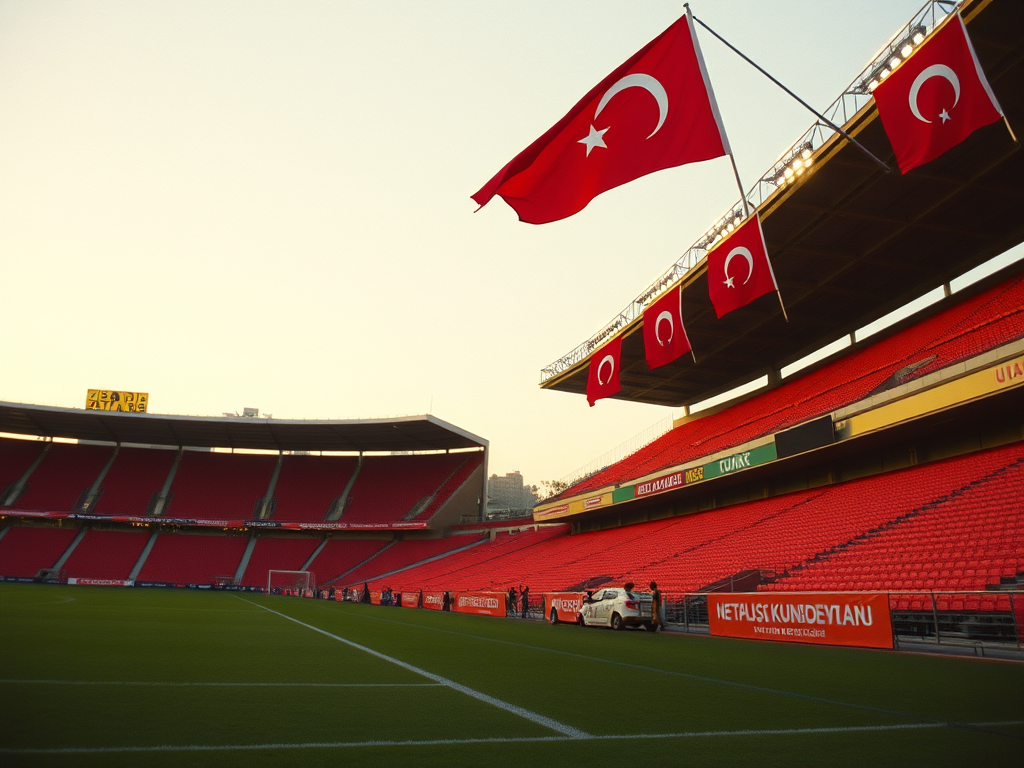
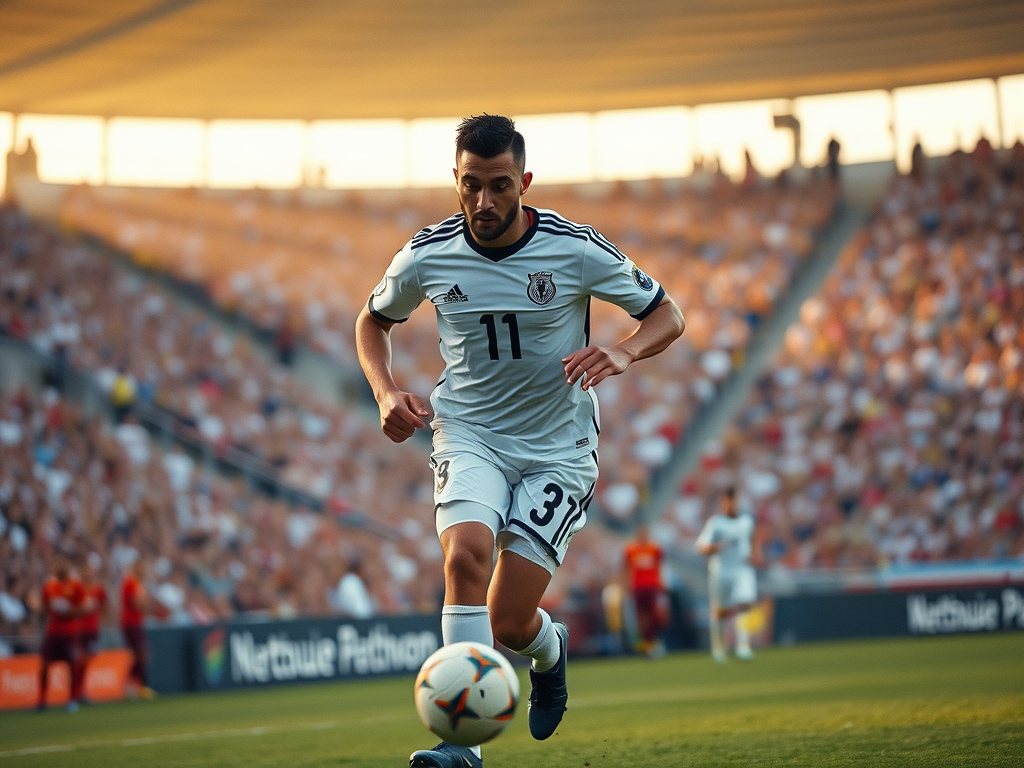
Konyaspor has excited and perplexed its fans with its football in recent weeks. Matches played at Medaş Konya Büyükşehir Stadyumu continue to showcase the team's dynamics and individual talents. However, it is clear that some tactical updates are necessary for the team to be more effective against opponents.
Current Tactical Structure
Konyaspor typically takes the field in a 4-2-3-1 formation. This setup is designed to create a crowded midfield and effectively use the wings. However, the shortcomings observed in recent matches have exposed some weak points of this structure. In particular, delays in controlling the midfield and transitioning to attack have diminished the team's offensive effectiveness.
Defensive Weaknesses
On the defensive side, Konyaspor's back four has been observed to experience some disorganization at times. Getting caught off guard by opponents' quick attacks has resulted in conceding goals. At this point, height and dominance in aerial duels are falling short of expectations. How the team responds to the quick wingers of opponents will be a determining factor in the coming weeks.
Lack of Creativity in Attack
In attack, the inefficacy of Konyaspor's creative players is noteworthy. Specifically, the positioning skills of the strikers and inaccuracies in final passes are causing difficulties in front of goal. In this context, revisiting the attacking plan to receive more support from the midfield is essential.
Suggested Tactical Adjustments
1. Formation Change: Transitioning from 4-2-3-1 to a 4-3-3 formation could provide more flexibility in attack and increase the effectiveness of wing players. This would not only ensure better control in midfield but also allow the forwards to receive more support. 2. Dynamic Midfield: Shifting to a more dynamic midfield structure will increase possession and disrupt opponents' play. In this regard, prioritizing players who can make quick passes and advance the ball will be beneficial. 3. Defensive Discipline: Greater discipline is required in the defensive approach. Communication gaps and positional errors are leading to easy goals for opponents. Improving communication among players and maintaining their positions better in defense will be crucial.
Conclusion
Konyaspor's current form holds the potential for greater success through some tactical changes. By considering the above suggestions, Anadolu Kartalı can showcase a more effective game both defensively and offensively. Implementing these changes in upcoming matches will be a significant step towards meeting the expectations of the fans.